Zephyrus · Custom software
Custom software for your next business step.
Mobile, desktop and web applications, online stores and WordPress. We define what to build with you and deliver it in stages.
Zephyrus · Custom software
Mobile, desktop and web applications, online stores and WordPress. We define what to build with you and deliver it in stages.
Choose a starting point. The technology and scope follow the users, processes and integrations your project needs.
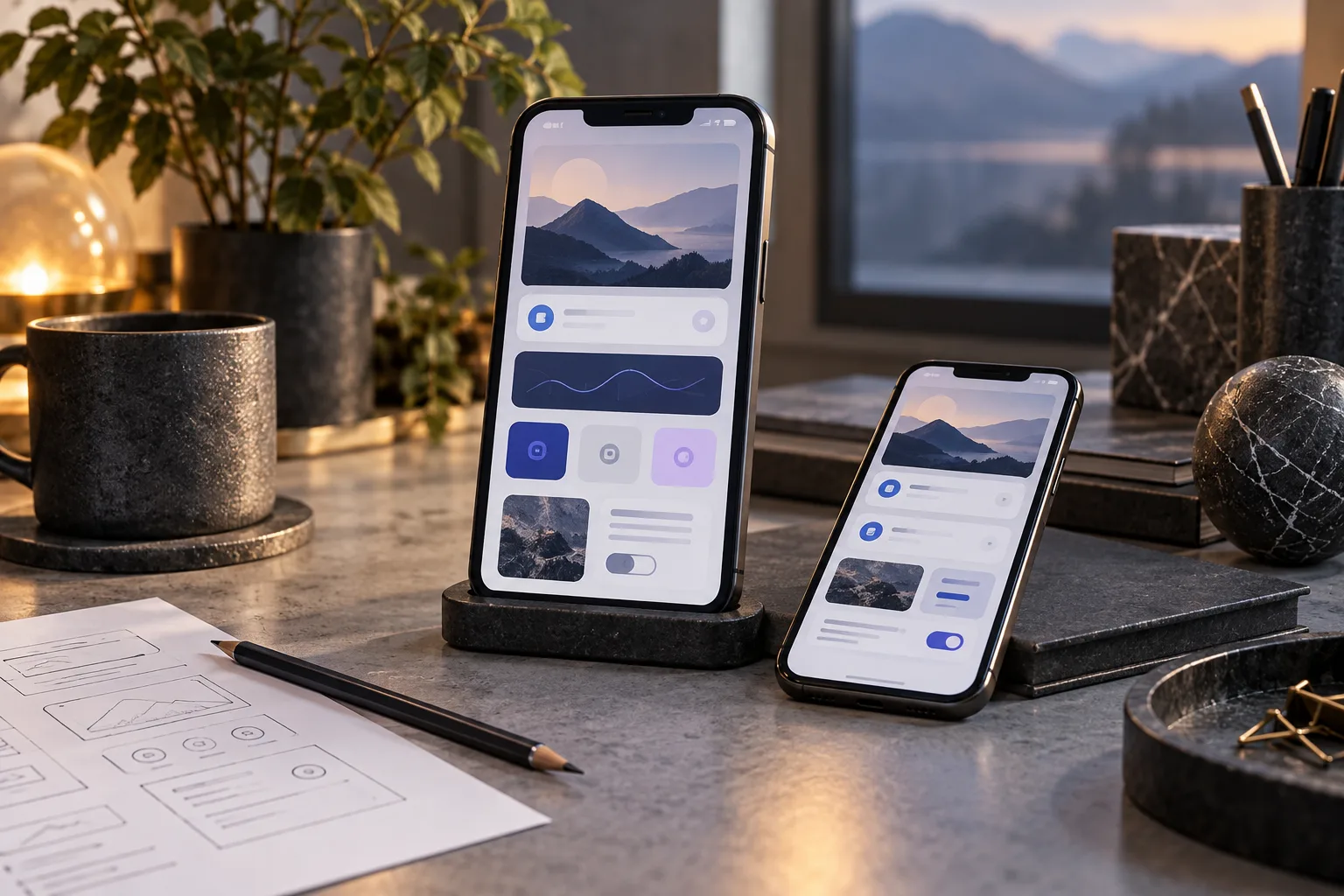
Apps for Android and iOS with a shared codebase and attention to each platform’s needs.
Explore Flutter mobile app development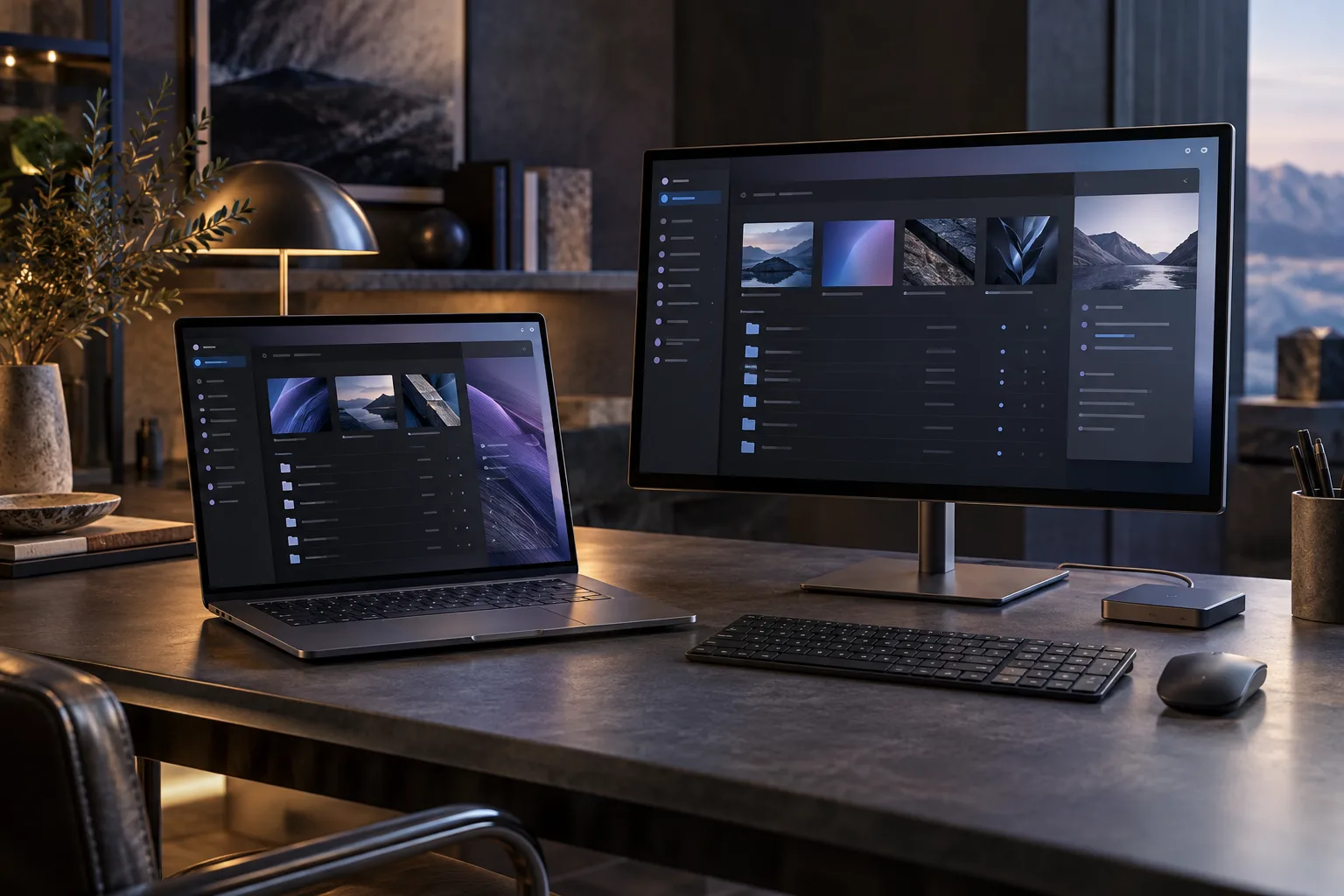
Applications for Windows, macOS and Linux, with a web interface and controlled access to system resources.
Explore Desktop app development with Tauri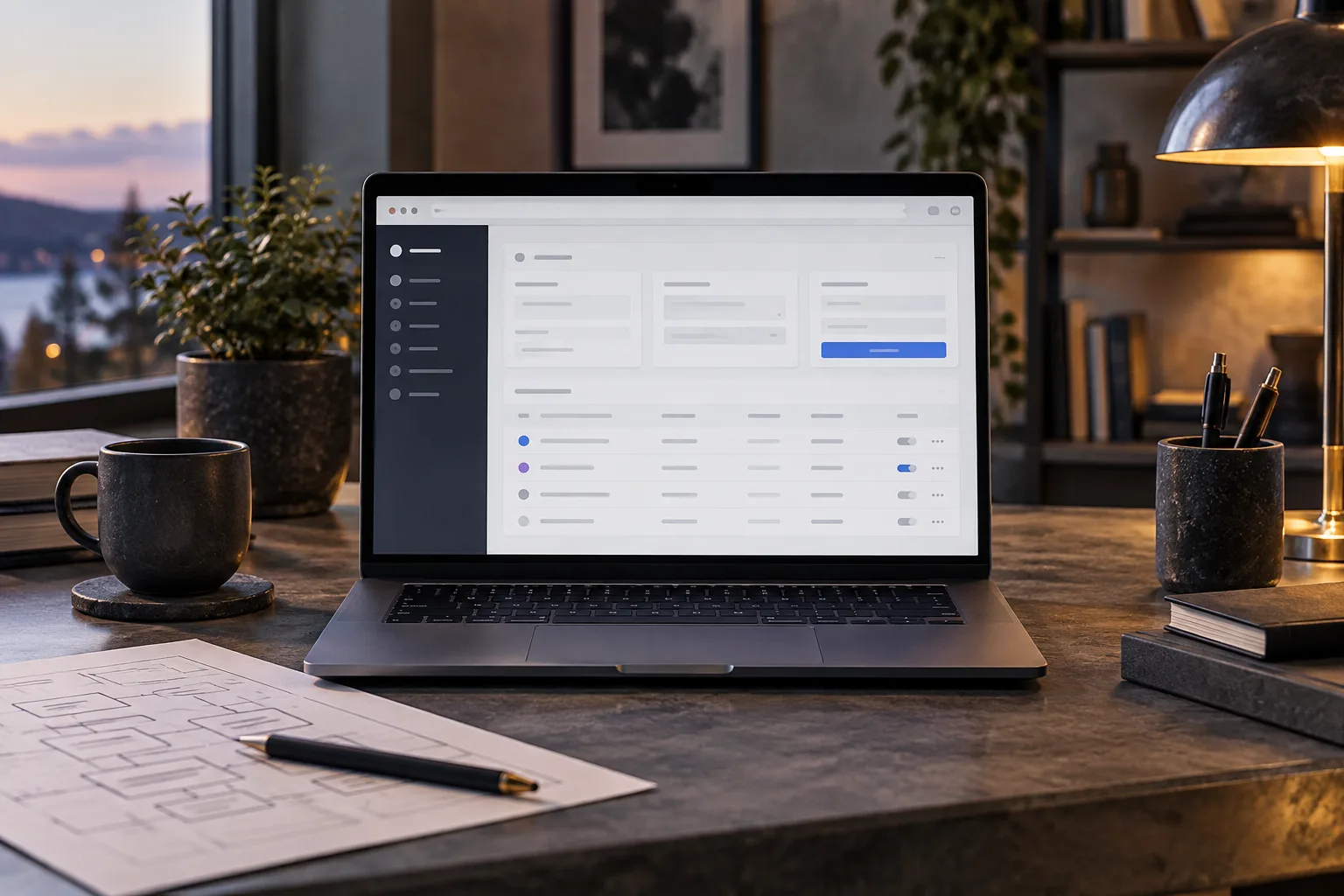
Portals, management tools and platforms adapted to your business processes and integrations.
Explore Custom web application development
Catalogue, payments, delivery and management brought together in a clear shopping experience.
Explore Online store development
Business websites and content platforms with their own identity and straightforward editing.
Explore Custom WordPress website developmentOwn product
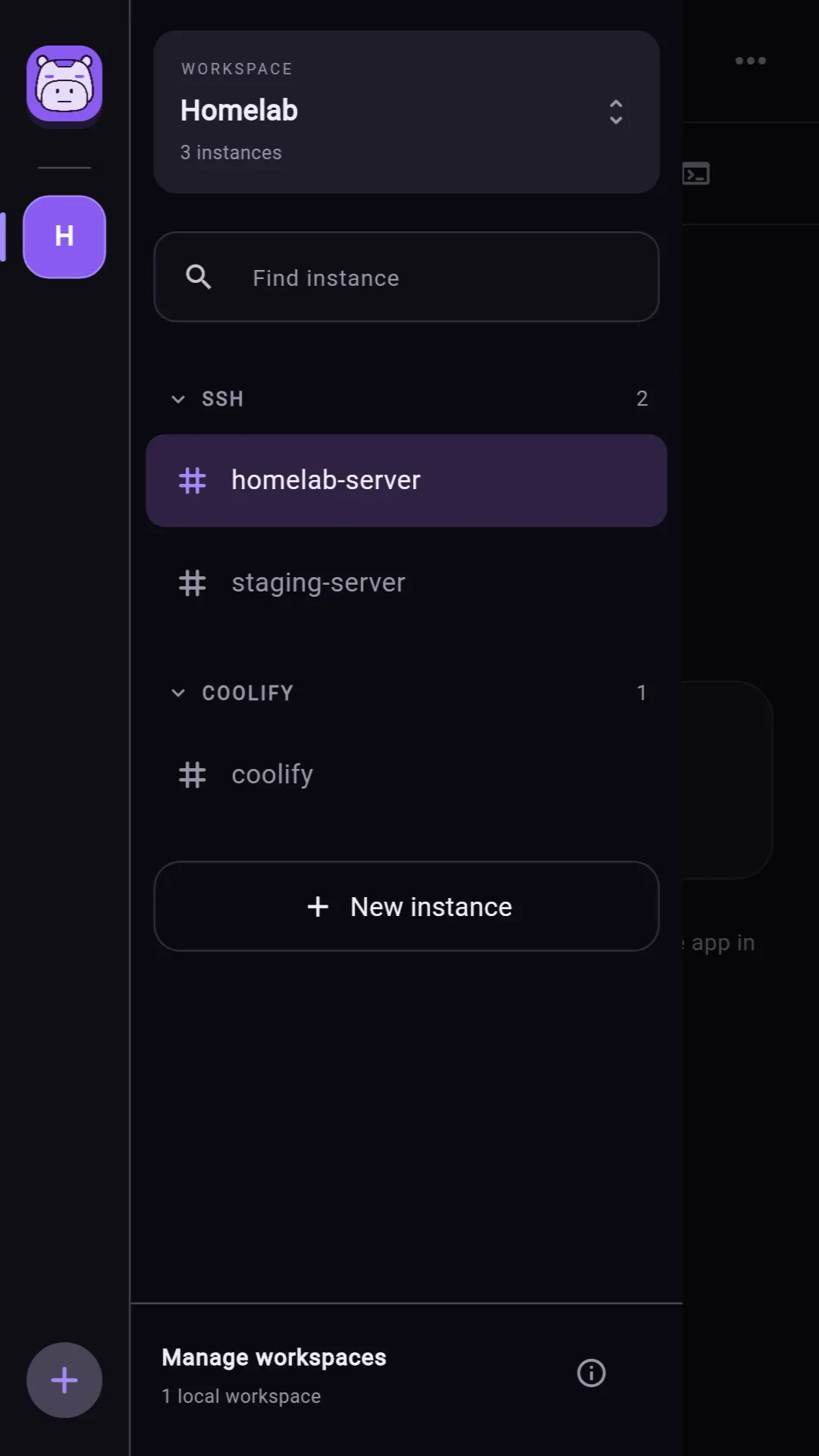
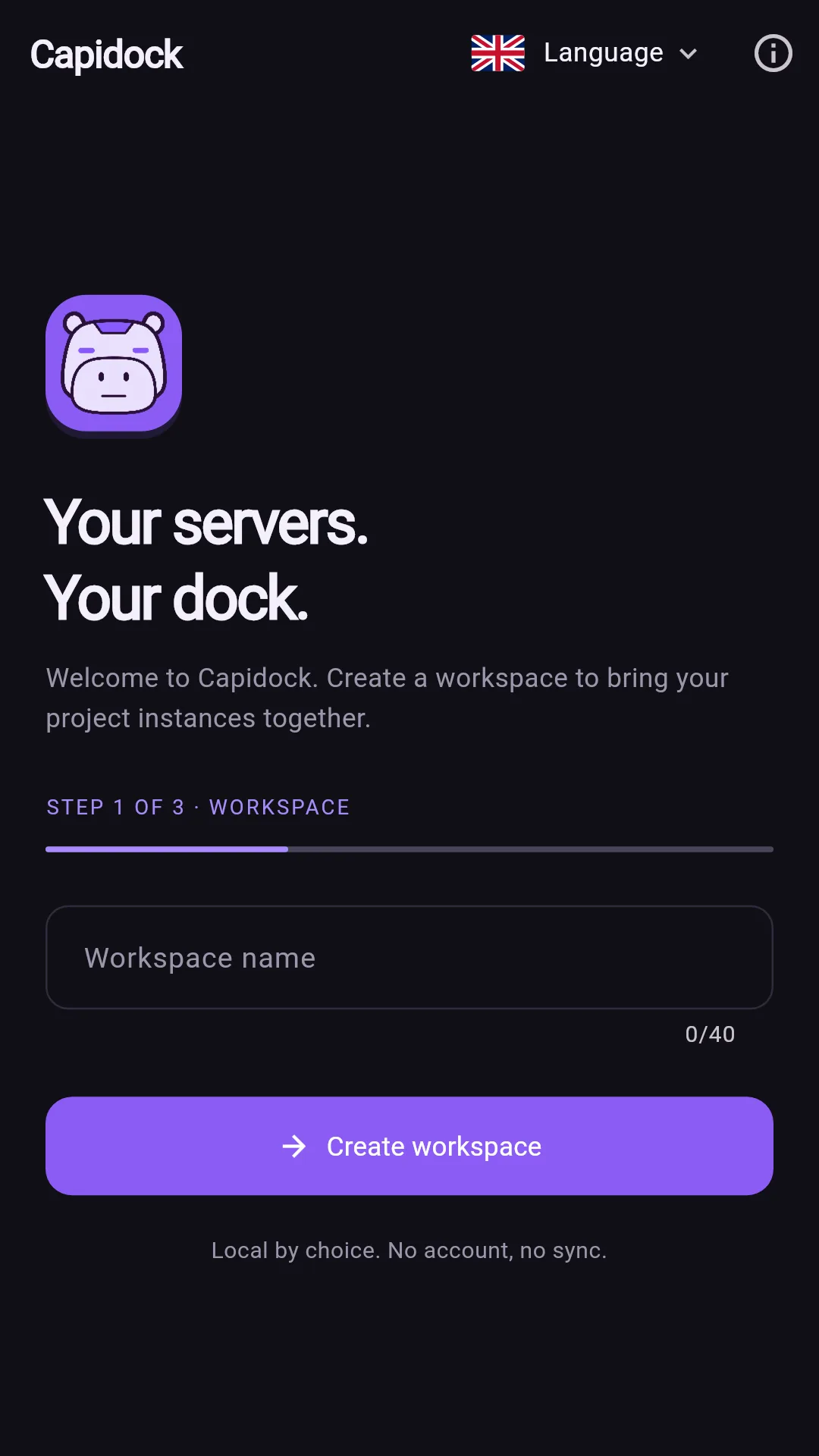
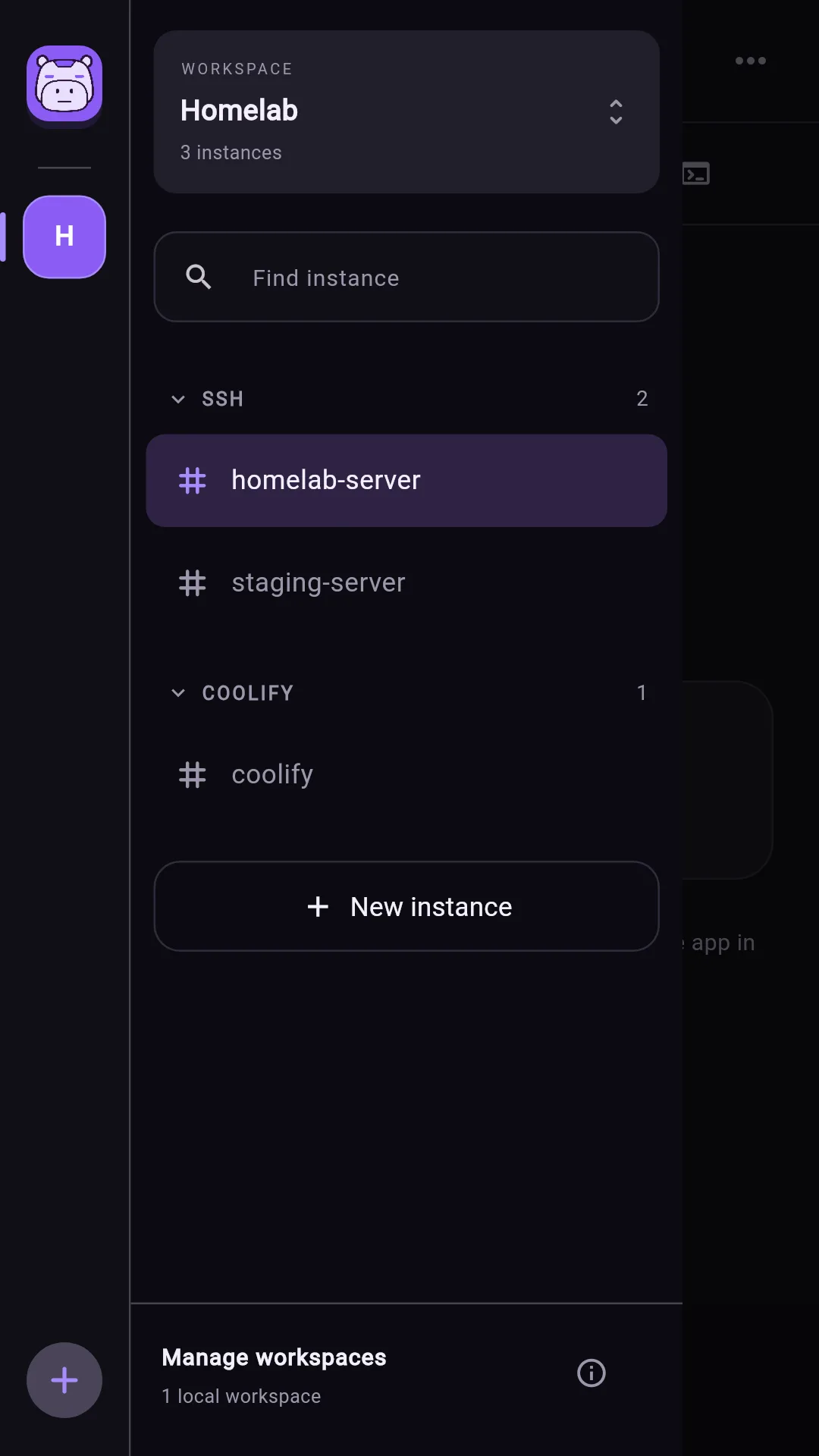
Capidock brings SSH servers and Coolify instances together in a mobile app. A concrete example of the care we put into organisation, user experience and technical product decisions.
Identify users, tasks, existing systems and constraints.
Agree on scope, priorities, acceptance criteria and responsibilities.
Build in stages and review the relevant workflows along the way.
Document what is needed and define publication, code access and any maintenance.
Timelines, costs, software rights and maintenance terms are defined in the proposal.
We develop Android and iOS apps with Flutter, desktop applications with Tauri, custom web applications, online stores and WordPress websites. Each project starts with the problem, the intended users and existing systems. Scope, deliverables, ownership, third-party costs and maintenance are agreed in the proposal.
We start with the problem, the essential workflows, the target platforms and any existing systems. The proposal defines scope, deliverables, milestones, acceptance criteria and responsibilities. Hosting, licences and external provider costs are identified separately where relevant. Changes to the agreed scope are reviewed before implementation.
The proposal sets out the rights to the software, access to source code, delivery documentation and account responsibilities. Third-party components retain their own licences. Maintenance, updates and support are agreed explicitly, including what is covered and any recurring costs; they are not assumed to be unlimited or included by default.
Notes on software, our products and the way we work.

Two proposals can share a title while covering very different work. Compare assumptions, integrations, testing and operating costs before comparing the total.

A booking button does not automatically need an app store listing. Compare a responsive website, a PWA, Flutter and platform-specific development against the job people actually need to do.

On World Mental Health Day, a practical question for product teams: can people decide when your software asks for their attention? Evidence, limits and a concrete design checklist.
Tell us what you want to build, who will use it and what already exists. From there, we can define the next step.